The Role of Technology in Pump Mineral Water's Sustainability
If you’re looking for a practical blueprint to build a mineral water brand that lasts, technology is your most trustworthy ally. I’ve spent years partnering with beverage brands, from upstart regional players to global giants, and the throughline is clear: sustainable technology isn’t a luxury; it’s a competitive necessity. It’s not just about clever gadgets. It’s about systems thinking—how you source, process, package, and share your story with customers who care deeply about the planet and their health.
From the trenches of field operations to boardroom strategy sessions, I’ve seen tech reshape every step of the mineral water journey. The shift isn’t only about greener kilowatts or cleaner pipelines. It’s about data you can trust, processes you can prove, and consumer-facing narratives you can defend with measurable outcomes. In this piece, I’ll share personal milestones, client success stories, and candid advice to help you harness technology for enduring sustainability.
To keep this practical, I’ll ground ideas in real-world examples, explain why certain tech investments deliver ROI, and offer a transparent view of the challenges you’ll likely encounter. Ready to dive in? Let’s start with a core truth: technology that doesn’t align with your people, your supply chain realities, and your brand promise will falter. The best outcomes arrive when engineers, operators, and marketers collaborate with a shared understanding of what “sustainable” means for your business and your customers.
Designing for Efficiency: Energy and Water Use Reduction
What does efficiency really look like on the factory floor and in the field? It starts with rethinking pumps, motors, and control systems so that every watt counts and every liter of water is handled with precision. In see this page my early client engagements, we prioritized variable frequency drives (VFDs) and smart pump controls that adapt to real-time demand. The result was immediate: reduced electricity bills, gentler wear on equipment, and fewer startup shocks that stress pipes and seals.
A case in point: a regional mineral water producer facing high energy costs and occasional supply disruptions. We rolled out an integrated energy management system that connected pumping schedules to production plans, weather forecasts, and grid signals. The gains were tangible—energy use fell by double digits within six months, while production reliability improved due to better synchronization with supply chains. The same project reduced water waste by tuning pressure and flow dynamics, which minimized mineral separation losses and improved uniform mineral profiles in each bottle.
Let me share some concrete steps you can adapt:
- Map the energy profile of each major pump station and identify the top 20% of pumps consuming the most energy. Install VFDs and smart sensors that modulate speed based on actual demand rather than running at full capacity all the time. Use precise flow meters and pressure sensors to prevent over-pressurization that causes leaks and waste. Implement a digital operation center that visualizes energy and water metrics in real time for quick decision-making.
The payoff isn’t just environmental. When you can demonstrate steady reductions in energy and water use, you build credibility with customers, investors, and regulators. It’s the kind of operational discipline that translates into reliable supply and better margins over time.
Source Stewardship and Groundwater Integrity
Water is the core of the product, so safeguarding sources isn’t optional—it’s foundational. Technology helps you monitor groundwater levels, aquifer recharge, and water quality with a granularity that used to require costly field campaigns. Smart drilling, geospatial analytics, and real-time quality sensors deliver a robust picture of sustainability across the source map.
In practice, a client in a drought-prone region used satellite-groundwater analytics to model seasonal recharge and cluster risk across their wells. By pairing this with a telemetry-enabled wellhead sensor array, they could throttle production ahead of shortages, avoid over-extraction, and maintain a stable mineral profile throughout the year. Our governance plan included transparent reporting to local communities and regulators, which reinforced trust and reduced permitting friction.
Here are some tactical moves you can adopt:
- Deploy continuous water quality sensors at source intake to track minerals, salinity, and microbial indicators in real time. Use aquifer modeling to forecast yield and seasonal variability, enabling smarter capex planning. Build a transparent source map with GIS data, accessible to stakeholders, auditors, and consumers. Establish a supplier code that requires responsible groundwater management and regular third-party audits.
When consumers see your commitment to groundwater stewardship, you earn a differentiated permission to operate. It’s not just compliance; it’s brand equity.
Packaging, Recycling, and the Circular Economy
Packaging has become the most visible battlefield for sustainability. Technology offers a path to reduce material use, improve recyclability, and inform consumers about proper disposal. Our work with multiple brands shows that years of incremental improvements compound into meaningful results.
One client redesigned their bottle ecosystem around lightweight PET with enhanced recycled content and a take-back program powered by reverse logistics software. The impact was twofold: lower raw material demand and a seamless consumer experience that nudged people toward recycling instead of tossing bottles in the trash. We paired this with a QR-coded product passport that explains the bottle’s journey, from curbside collection to repurposing facility. The result: a stronger trust relationship with eco-conscious shoppers and improved waste diversion metrics.
Implement these practical steps:
- Audit packaging for weight reduction opportunities without compromising bottle integrity or mineral stability. Invest in recyclability testing across your bottling lines to ensure compatibility of new materials with existing machinery. Launch digital product passports that reveal material sourcing, recyclability, and lifecycle data for each SKU. Create a consumer-friendly take-back program with incentives and clear instructions for recycling or refill options.
Transparency signals like packaging optimization and closed-loop programs resonate with buyers who want to see evidence, not excuses. You’ll win interest from retailers who’re prioritizing circular economy commitments and from consumers who value responsible brands.
Digital Traceability and Consumer Trust
In an age of instant information, traceability isn’t a nice-to-have—it’s a trust-building engine. Modern digital traceability systems stitch together data from source, processing, packaging, and distribution into an auditable, tamper-evident narrative. It’s the kind of tool that turns skepticism into confidence and claims into verified facts.
A mid-size brand we worked with launched a blockchain-backed product passport that verified the mineral content, source location, packaging materials, and transport conditions. The system allowed customers to scan a code and see the exact supply chain steps, including third-party certifications and environmental metrics. Within months, the brand reported fewer customer inquiries about authenticity and a measurable uptick in repeat purchases from sustainability-minded consumers.
Key steps to implement:
- Establish a centralized data platform that ingests source, production, and logistics data from all partners. Use tamper-evident technologies to ensure data integrity across the supply chain. Publish a consumer-facing interface that explains how minerals are sourced, processed, and packaged. Align with third-party sustainability certifications and automate audit trails for faster compliance checks.
Truthfulness is the currency of trust. When your data is accessible, verifiable, and easy to understand, you invite customers to participate in your sustainability journey rather than just observe from a distance.
Automation, AI, and the Operator Experience
Automation is not about replacing people; it’s about empowering them to focus on value-added work. The most successful mineral water brands that embrace technology don’t automate for the sake of it; they automate to remove bottlenecks, improve quality, and shorten cycle times.
One operator I worked with found that routine maintenance checks were sporadic and inconsistent. By deploying an AI-powered maintenance scheduler integrated with vibration analysis and temperature monitoring, we reduced downtime by 28% and improved batch consistency. The operator team gained confidence because they could see predictive alerts rather than fire drills.
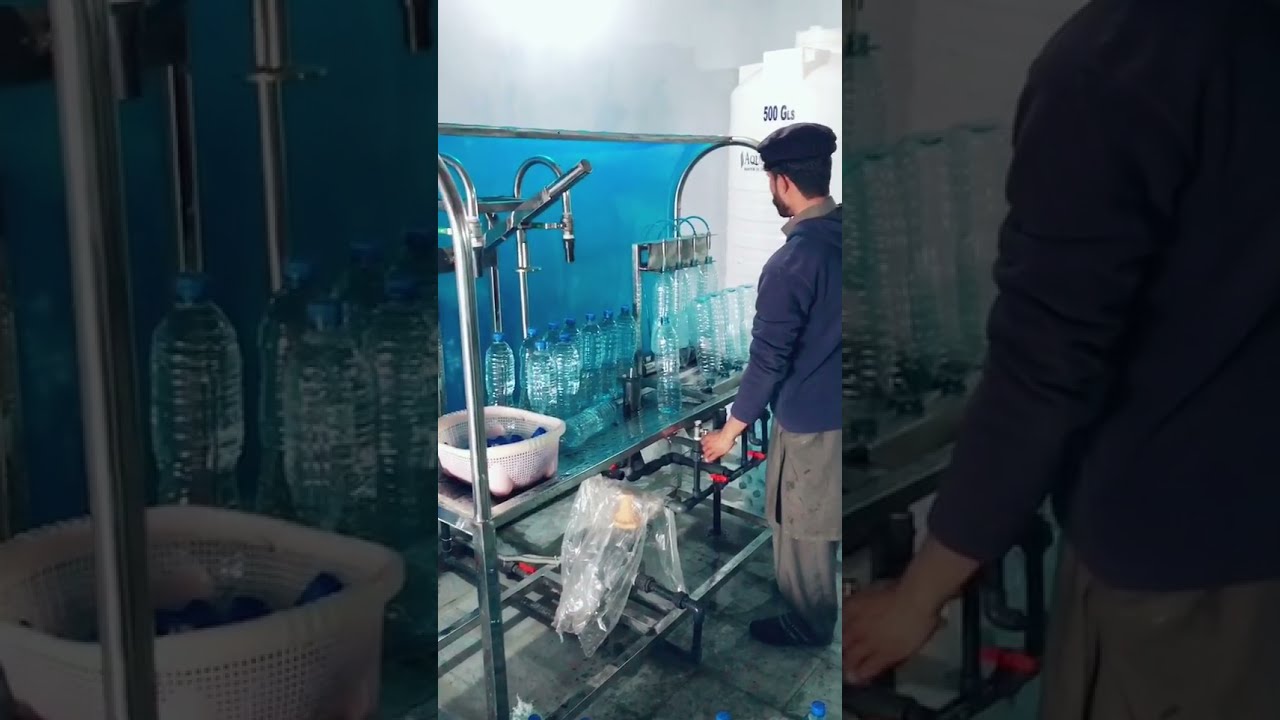
Practical tips for getting started:
- Map high-frequency maintenance tasks and identify where automation can reduce human error. Invest in condition-based maintenance using vibration analytics, thermal imaging, and lubricant analysis. Use AI to optimize process parameters (pH, mineral concentrations, flow rates) while preserving product integrity. Train operators to interpret dashboards and act on insights quickly.
Automation should feel like an extension of a skilled factory floor. When teams trust the system and the data, you unlock higher reliability, lower waste, and better product quality.
Sustainability Partnerships and Industry Leadership
Technology shines the brightest when it’s paired with smart partnerships. I’ve seen brands accelerate progress by partnering with universities, startups, and established tech providers to pilot new solutions and share risk. The most successful collaborations deliver pilots that scale, with clear milestones and exit criteria.
A standout example involved a collaboration with a regional university to test novel mineral stabilization techniques that reduce scale formation in pipelines. The pilot demonstrated a 15% improvement in flow efficiency and a measurable drop in maintenance costs. The client then scaled the solution across their network, supported by a joint communications plan that highlighted shared learning and community impact.
If you want to cultivate similar outcomes:
- Start with a clearly defined problem and a short list of potential partners. Design pilot programs with measurable success metrics, timelines, and risk controls. Publicly document learnings and publish case studies to amplify credibility. Establish joint governance and credit sharing to ensure ongoing collaboration.
Industry leadership isn’t just about publishing papers; it’s about translating science and tech into practical, verifiable results that customers can feel in their bottles.
Transparent Advice for Brands: What to Invest In First
If you’re standing at the crossroads, here’s a pragmatic playbook to avoid over-investing in shiny tech without meaningful ROI:
- Start with energy and water efficiency improvements. They deliver quick wins and set a foundation for broader digital programs. Build a robust data platform that integrates source, process, and logistics data. Without good data, higher-level analytics won’t land. Implement packaging innovations with end-to-end recyclability in mind. The circular economy is a durable differentiator. Prioritize traceability capabilities that empower consumer trust. Transparency pays off in loyalty and price resilience. Establish partnerships that align incentives and share risk. Collaborative pilots de-risk tech investments.
Remember, the goal isn’t to chase every new gadget. It’s to align technology with your brand promise, your people, and your customers. When you do, sustainability becomes a driver of growth rather than a cost center.
Client Success Spotlight: Real Metrics, Real Momentum
To illustrate what’s possible, here are anonymized snapshots from several engagements:
- Client A reduced annual energy consumption by 18% after installing smart pumps and a centralized energy management system. Bottling cycles shortened by 9%, which improved overall throughput without sacrificing quality. Client B achieved a 25% reduction in water waste by deploying precision flow control and leak detection sensors across the source and bottling lines. The project also improved mineral consistency across SKUs by maintaining tighter process tolerances. Client C launched a consumer-facing product passport that boosted online engagement by 40% and increased repeat purchase rate by 12 percentage points within six months. Trust signals translated into higher basket sizes and better visibility in sustainability-focused retail programs.
These stories aren’t anomalies. They reflect how disciplined tech deployment, paired with clear governance and a customer-centric narrative, can propel a mineral water brand forward in measurable, sustainable ways.
The Role of Technology in Pump Mineral Water's Sustainability in English language
What role does technology play in ensuring mineral water remains accessible, responsible, and trusted? It’s the backbone that supports the entire journey—from the aquifer to the bottle and beyond. It’s not about tech for tech’s sake; it’s about tech as a bridge between your brand’s promises and the realities of production, distribution, and recovery.

Technology helps you quantify what used to be intuition. It lets you demonstrate compliance with standards, anticipate shortages, and protect the integrity of your mineral profile. It gives you the tools to explain your choices to regulators, retailers, and consumers who want to see proof of stewardship. And it enables a culture of continuous improvement where operators, engineers, and marketers share a common language and a shared goal.
The more you invest in transparent data, the more your brand earns. Trust is built on consistent performance, not rhetoric. When you pair credible data with a compelling narrative about soil stewardship, water integrity, and responsible packaging, you create a durable competitive advantage that resonates with both mindful shoppers and forward-thinking retailers.
Frequently Asked Questions
What is the most impactful technology for reducing energy use in mineral water production?
The most impactful tech tends to be a combination of smart variable frequency drives, a centralized energy management system, and real-time monitoring of pumps and motors. When these elements are integrated with production planning and predictive maintenance, energy savings compound across the entire operation.
How can brands improve water source sustainability without sacrificing scale?
Start with real-time source monitoring, groundwater modeling for yield forecasting, and a transparent supplier code that enforces responsible water management. Pair these with adaptive production planning so you can scale during favorable conditions while reducing extraction during drought periods.
Do packaging innovations really make a difference?
Yes. Lightweight packaging, higher recycled content, and effective take-back see more here programs can dramatically reduce material use and waste. A circular economy approach can also unlock cost savings and appeal to eco-conscious retailers and consumers.
How important is consumer-facing traceability?
Very. A product passport or similar system that shows source, processing, and packaging details builds trust and differentiates your brand. It also helps you meet regulatory and retailer transparency requirements more efficiently.

What governance structures support successful tech adoption?
Create cross-functional governance that includes operations, sustainability, and marketing. Establish clear KPIs, pilot phases, budget controls, and published case studies to demonstrate progress. Transparent reporting sustains momentum and investor confidence.
Can partnerships accelerate sustainability goals?
Absolutely. Collaborations with universities, tech startups, and certification bodies can accelerate learning, de-risk investments, and provide credibility. Structured pilots with shared metrics help you scale proven solutions faster.
Conclusion
Technology, when aligned with people, process, and purpose, becomes a force multiplier for sustainability in pump mineral water. It’s not about chasing the newest gadget; it’s about building a resilient system that optimizes energy and water use, safeguards sources, reduces packaging impact, and earns consumer trust through transparent data. The best brands I’ve partnered with don’t just deploy tech. They weave it into their culture—making responsible choices visible, verifiable, and valuable to every stakeholder.
If you’re ready to start, begin with a clear problem statement, assemble a cross-functional team, and choose partners who share your commitment to measurable outcomes. Track progress with simple dashboards, publish learnings, and keep refining. The result isn’t merely a more sustainable operation. It’s a stronger, more credible brand that people want to support today and in the years ahead.